Credit Card vs. Debit Card: Which Is Better for Online Shopping?
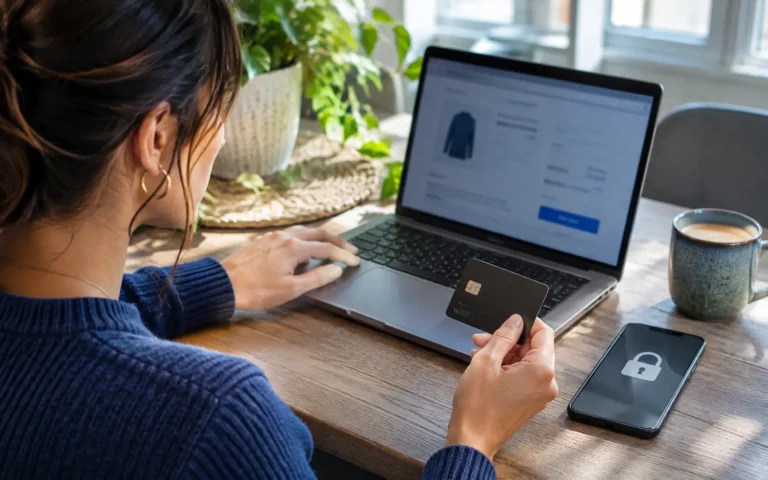
Online shopping has made purchasing clothes, electronics, household essentials, and digital services easier than ever.
However, choosing how to pay is an important part of the shopping experience.
Two of the most widely used payment options are credit cards and debit cards. Although they may look similar and can often be used on the same websites, they work differently.
Understanding the differences between a credit card vs debit card can help you manage your spending, recognize potential fees, and understand the protections available when something goes wrong.
But which one is better for online shopping?
The answer depends on your financial habits, the card’s conditions, the retailer, and the consumer protections available in your country.
This guide explores the advantages, disadvantages, and important security considerations of both payment methods.
What Is the Difference Between a Credit Card and a Debit Card?
The main difference is where the money comes from.
A debit card generally allows you to make purchases using funds available in a linked bank or payment account.
A credit card, on the other hand, lets you borrow money from the card issuer up to an approved credit limit.
When using credit, you are responsible for repaying the amount borrowed according to your card agreement.
Credit Card vs. Debit Card Comparison
| Feature | Credit card | Debit card |
|---|---|---|
| Source of funds | Borrowed credit | Linked account balance |
| Monthly repayment | Required under card terms | Usually no borrowing repayment |
| Purchase interest | Possible if balances are carried | Generally none on ordinary debit purchases |
| Spending control | Requires monitoring credit usage | More closely linked to available funds |
| Fraud protection | Depends on card and local rules | Depends on card and local rules |
| Cashback or rewards | Available on some cards | Available on some cards |
| Credit history | May be reported to credit agencies | Ordinary purchases generally do not build credit |
Both options can be useful, but neither is automatically the right choice for every consumer.
1. Credit Cards: Advantages for Online Shopping
Credit cards offer several potential benefits for eligible shoppers.
Additional Payment Flexibility
A credit card allows you to make purchases and repay the issuer according to the payment schedule.
This can be convenient when managing the timing of planned expenses.
However, using credit does not make a purchase more affordable.
You must still be able to repay the balance without compromising essential financial obligations.
Potential Purchase Protection
Some credit cards include protections for eligible purchases, depending on the issuer, card network, and applicable laws.
For example, consumers in certain jurisdictions may have additional rights when a retailer fails to deliver goods or provides defective products.
However, these protections are not identical worldwide.
Always check your card agreement and the consumer regulations that apply where you live.
Cashback and Rewards
Some credit cards offer cashback, points, or other benefits on eligible transactions.
These rewards may provide value when purchases are already included in your budget.
However, interest charges and annual fees can easily exceed the rewards earned.
A credit card should never encourage unnecessary shopping simply to earn points.
2. Debit Cards: Advantages for Online Shopping
Debit cards also offer practical advantages, particularly for consumers who prefer to avoid borrowing.
Direct Spending From Available Funds
When you use a debit card, the purchase amount is generally deducted from your linked account.
This can make it easier to understand how much money remains available.
However, some banks allow overdrafts or transactions that may create negative balances and additional fees.
Review your account conditions carefully.
No Credit Card Interest on Ordinary Purchases
Because standard debit purchases use account funds rather than revolving credit, they generally do not create credit card interest charges.
This can be useful for people who want to avoid accumulating borrowing costs.
However, account maintenance charges, overdraft fees, foreign transaction fees, and other costs may still apply.
Simpler Everyday Budgeting
Using a debit card for planned purchases may help consumers stay closer to their available spending budget.
For example, someone who sets aside a fixed amount for shopping can use a dedicated account to manage that money.
This approach may be helpful for people working to control discretionary spending.
3. Which Card Is Safer for Online Shopping?
Security is one of the most important factors when comparing payment methods.
Both credit and debit cards can offer fraud protection, but specific rights depend on the card network, issuing institution, transaction type, and country.
For example, Visa and Mastercard publish zero-liability policies covering eligible unauthorized transactions.
These policies have conditions and exclusions, and customers should report suspicious activity promptly.
A key practical difference concerns access to funds.
If an unauthorized transaction affects a debit account, money may leave the account while the bank investigates.
With a credit card, the disputed transaction generally affects the credit account rather than immediately removing funds from your current account.
However, the timing of investigations, temporary credits, and reimbursement differs between providers and jurisdictions.
Important: Credit cards are not automatically immune to fraud, and debit cards are not inherently unsafe.
Responsible card security matters regardless of the payment method.
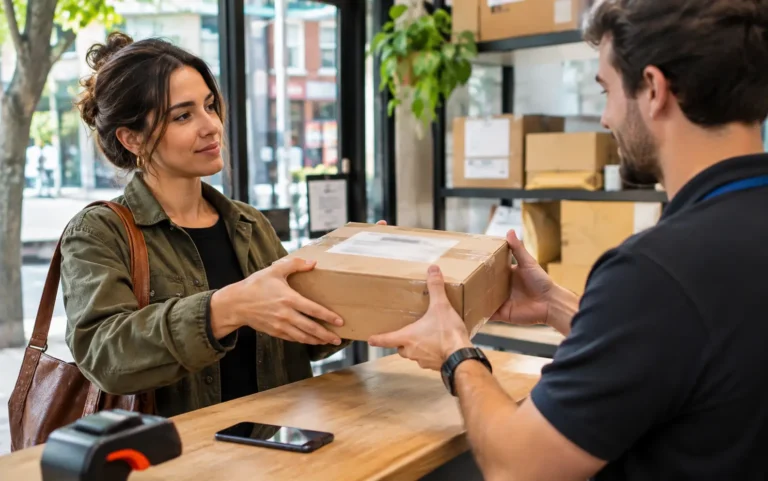
4. What Happens if an Online Purchase Never Arrives?
Imagine ordering an electronic product from an online retailer.
You complete the payment, but the seller never delivers the item.
What happens next?
In many situations, the first step is to contact the retailer and request an explanation or refund.
If the issue remains unresolved, your card provider may offer a dispute or chargeback process.
Chargeback mechanisms can exist for eligible debit and credit card transactions.
However, a chargeback is not a guaranteed refund.
Eligibility, evidence requirements, deadlines, and available protections depend on the payment network, card issuer, transaction, and applicable rules.
Some countries provide additional statutory protection for certain credit card purchases.
For instance, the United Kingdom has specific Section 75 protections for eligible credit purchases.
These rules are not global and should not be assumed to apply in other countries.
Always retain order confirmations, receipts, delivery information, and correspondence with the seller.
5. Credit Card vs. Debit Card: Which Has Lower Fees?
Neither payment method is always cheaper.
The total cost depends on the product, financial institution, currency, and way you manage your account.
Common Costs to Compare
| Potential cost | Credit card | Debit card |
|---|---|---|
| Purchase interest | Possible | Usually not applicable |
| Annual card fee | Possible | Depends on issuer |
| Account maintenance fee | Depends on product | Possible |
| Foreign transaction fee | Possible | Possible |
| Currency conversion charges | Possible | Possible |
| Overdraft-related charges | Generally not applicable to ordinary card purchases | Possible where overdrafts are supported |
| Late repayment charges | Possible | Generally not applicable to ordinary debit purchases |
Before making an international purchase, review the exchange rate and any additional charges.
A card with attractive rewards may still be expensive if foreign transaction fees are high.
Similarly, a debit card may offer lower costs for one purchase but charge more for another.
6. Which Payment Method Is Better for International Shopping?
Shopping from an overseas retailer can involve additional costs.
These may include currency conversion, cross-border transaction fees, delivery charges, and import-related expenses.
Both credit and debit cards may support international payments, depending on the issuer.
When comparing cards, consider:
- Whether international transactions are permitted.
- Currency conversion rates.
- Foreign transaction charges.
- Card acceptance by the retailer.
- Available dispute procedures.
- Spending limits and security features.
Also, check whether the retailer offers payment in your home currency or the merchant’s currency.
The most convenient option is not always the least expensive.
Compare the final amount and any disclosed conversion charges before completing your purchase.
7. Do Credit Cards Offer Better Cashback Than Debit Cards?
Some credit cards offer cashback or rewards on selected purchases.
However, debit card rewards and merchant-funded promotions are also available in certain markets.
The value of a reward depends on its conditions.
Practical Cashback Simulation
Imagine making an eligible purchase worth 500 currency units.
| Item | Amount |
|---|---|
| Purchase value | 500 |
| Hypothetical cashback rate | 2% |
| Cashback earned | 10 |
| Hypothetical transaction fee | 5 |
| Net benefit before other costs | 5 |
This is a hypothetical example, not an actual card offer.
If additional interest charges apply, the financial benefit could disappear entirely.
Always evaluate the total cost of using a card rather than focusing exclusively on advertised rewards.
8. How to Make Safer Online Payments
Regardless of whether you choose credit or debit, security habits are essential.
Shop on Trusted Websites
Check the website address carefully and confirm that the retailer has legitimate contact information, clear policies, and a credible reputation.
A secure HTTPS connection helps protect transmitted data, but it does not guarantee that a merchant is trustworthy.
Enable Transaction Notifications
Banking alerts can help you identify purchases or account activity you do not recognize.
Use Additional Authentication
Where supported, enable multifactor authentication and transaction verification features.
Never share one-time security codes with someone contacting you unexpectedly.
Consider Virtual Cards
Some financial institutions offer virtual payment cards with additional controls.
Depending on the provider, these may include separate card numbers, adjustable limits, or temporary credentials.
Monitor Your Statements
Review transactions regularly and contact your card issuer promptly when you identify unauthorized activity.
The sooner a problem is reported, the easier it may be to preserve available dispute rights.
9. Which Card Should You Choose? Practical Shopping Scenarios
Different situations call for different considerations.
| Shopping situation | Practical consideration |
|---|---|
| Everyday purchases | Debit may simplify spending control |
| Planned purchases with full repayment | Credit may offer rewards or protections |
| International shopping | Compare conversion fees and payment acceptance |
| Expensive purchases | Review purchase protection and dispute rights |
| Difficulty managing debt | Debit may reduce reliance on borrowing |
| Shopping on an unfamiliar website | Prioritize merchant verification and secure payment features |
These examples are general considerations rather than recommendations for specific financial products.
A person who pays credit card balances in full may benefit from certain credit features.
Someone who struggles with borrowing may prefer debit payments to maintain clearer spending boundaries.
10. Common Payment Mistakes to Avoid
One mistake is assuming every card offers the same level of fraud protection.
Another is using a credit card without considering future repayment obligations.
Consumers may also overlook international transaction fees, ignore suspicious account activity, or save payment information on unfamiliar websites.
When comparing payment methods, examine the complete financial picture.
A low advertised price does not automatically mean an affordable purchase, and a reward does not automatically compensate for borrowing costs.
The safest financial decision combines secure payment practices with responsible spending.
Important Considerations
Credit and debit card regulations vary around the world.
Some countries provide stronger legal protections for specific transactions, while others rely primarily on card network rules and financial institution policies.
Not every card supports international purchases, chargebacks, virtual cards, or rewards.
Before relying on a particular protection, review the card issuer’s official terms and applicable local regulations.
Avoid assuming that a payment method provides guaranteed reimbursement after fraud or a merchant dispute.
Frequently Asked Questions (FAQ)
Is a credit card safer than a debit card for online shopping?
Credit cards may provide practical advantages because unauthorized charges generally affect the credit account rather than directly reducing available bank funds. However, protection depends on local laws, card rules, and issuer policies.
Can I use a debit card for international online purchases?
Yes, if your bank permits international transactions and the retailer accepts the card. Foreign exchange and transaction fees may apply.
Do debit cards offer chargeback protection?
Eligible debit card transactions may qualify for chargeback under applicable network rules. Approval is not guaranteed.
Is it better to pay online with credit or debit?
The better choice depends on your spending habits, financial situation, fees, and available consumer protections.
Can using a credit card improve my credit score?
Responsible credit card use may help build credit history in countries where eligible account information is reported to credit agencies.
Do credit cards always charge interest?
No. Some cards offer an interest-free period for eligible purchases when the full statement balance is paid on time and other conditions are met.
Are virtual cards safer for online purchases?
Virtual cards may offer useful security controls, such as separate card numbers and spending limits. Their availability and protections depend on the provider.
Final Thoughts
Choosing between a credit card and a debit card for online shopping involves more than convenience.
Credit cards may provide payment flexibility, rewards, and certain purchase protections, while debit cards can help consumers manage spending using available funds.
Neither option is automatically superior for every purchase.
The best approach is to compare costs, understand your card’s protections, verify the retailer, and choose a payment method that fits your financial circumstances.
A smart online payment is one that protects your information, fits your budget, and avoids unnecessary financial risks.
Disclaimer
This article is provided for general educational and informational purposes only. It does not constitute personalized financial, banking, lending, legal, or tax advice.
Card protections, chargeback rules, fees, consumer rights, and financial regulations differ between countries and institutions.
The examples are hypothetical and do not represent actual financial products or guaranteed outcomes.
Always review official card issuer terms and applicable local rules before making significant payment decisions.
Last reviewed: November 14, 2026.